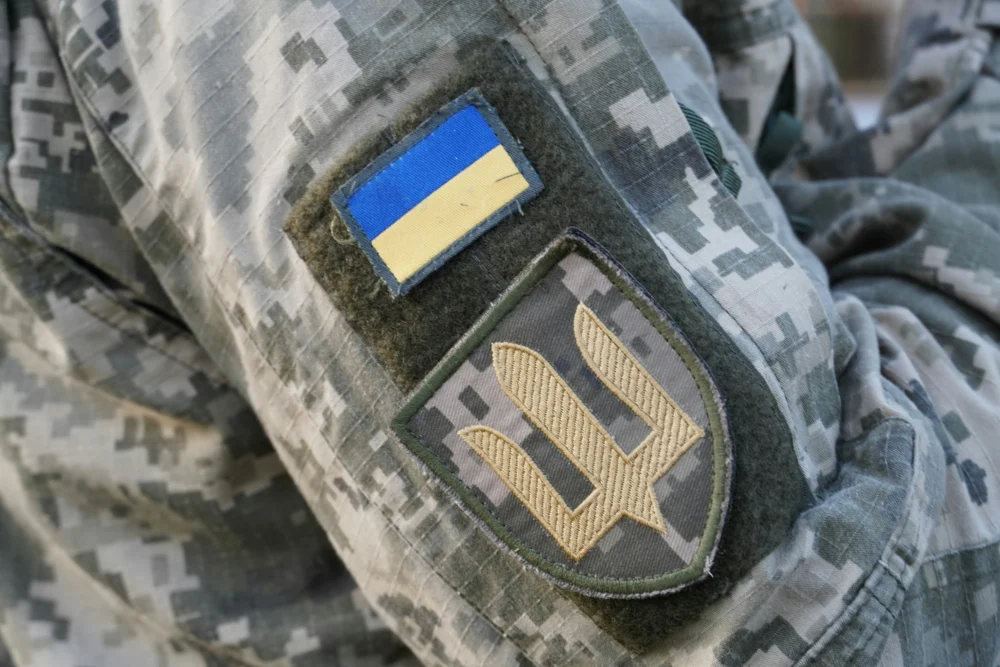
Since the beginning of the full-scale war, thousands of foreign nationals have joined Ukraine’s defense efforts as members of the Armed Forces of Ukraine, the International Legion, and other units operating in accordance with Ukrainian law. Unfortunately, some foreign service members have lost their lives while carrying out combat missions. In such cases, surviving family members may be entitled to state compensation; however, in practice, obtaining these payments is often accompanied by significant legal and administrative challenges.
One of the most common difficulties is the absence of a complete set of documents confirming the deceased individual’s status, the circumstances of military service, or the family’s eligibility to receive compensation. Additional complications frequently arise when family members reside outside Ukraine, documents have been issued by different countries, contain discrepancies or errors, or require certified translation, apostille certification, or legalization. In certain situations, it may also be necessary to establish legally significant facts through court proceedings, confirm family relationships, or obtain formal legal recognition of a person’s death in accordance with applicable law.
Proper communication and coordination with Ukrainian government authorities are of particular importance, including the Ministry of Defense, military units, civil registration authorities, and archival institutions. Mistakes made during the document preparation stage can result in substantial delays, additional reviews, or even the rejection of an application. For this reason, many families choose to seek assistance from professionals with practical experience handling such matters and a thorough understanding of military and administrative law.
Over more than two years of practice, our attorneys have assisted in matters involving compensation claims related to the deaths of more than 30 foreign service members. Legal assistance has been provided to surviving relatives who are both Ukrainian citizens and foreign applicants from Canada, Poland, the Czech Republic, Spain, Turkey, France, the United Kingdom, Colombia, Chile, Argentina, Brazil, and other countries. Each case presented unique challenges involving documentation, jurisdictional issues, family circumstances, and the procedures required to establish eligibility for compensation.
In addition to compensation-related matters, surviving family members often require assistance obtaining Ukrainian documents, handling inheritance matters, legalizing documents for use abroad, opening bank accounts, arranging international fund transfers, and communicating with government authorities in multiple countries simultaneously. In cross-border cases, a comprehensive legal approach can significantly reduce the time required to resolve both administrative and legal issues.
Every situation requires an individual review and careful assessment of the available documentation. Eligibility for compensation, the list of required documents, and the payment procedure depend on the specific circumstances of the case, the status of the deceased service member, the composition of the family, and the applicable laws of Ukraine. Seeking legal assistance at an early stage makes it possible to identify potential risks, prepare the necessary documentation, and avoid many of the problems that commonly arise during the compensation application process.